Mist on the Glass: Turning Condensation into a School Energy Investigation
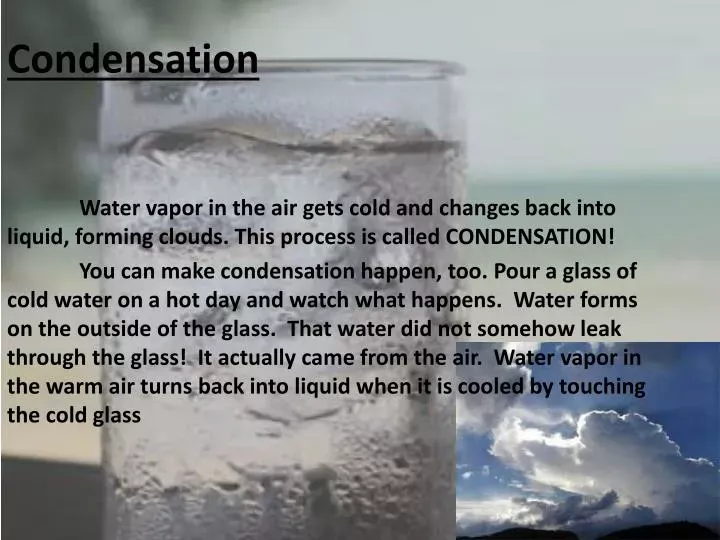
Photo: condensation on school classroom window cold morning, via cdn1.slideserve.com
On a cold November morning, the windows of many classrooms tell a story before the first lesson begins. One pane is clear; another is clouded with fine mist; a third has water running down to the frame. The difference is not simply a matter of cleaning. It is evidence of warm, moist air meeting a cold surface, and it offers pupils a genuinely useful way into questions about insulation, ventilation and energy use.
Condensation is familiar, but it is often misunderstood. It is not a sign that a building is necessarily badly insulated, nor that a room is unhealthy. It is a visible result of several variables interacting. That makes it a good starting point for an investigation rather than a simple blame exercise.
What the glass is telling us
Air always contains some water vapour. Warmer air can hold more vapour than cooler air. When warm, moist air comes into contact with a cold surface, it cools. If it cools below a certain temperature, called the dew point, the vapour can no longer stay in the air as a gas. It condenses into tiny droplets on the surface.
The window is a boundary between inside and outside. In winter, the inner pane can be much colder than the room, especially if the glass is single-glazed or if curtains and blinds trap cold air against it. Moisture also has to come from somewhere. Breathing, cooking, showering, drying clothes indoors, plants and even some building materials add water vapour to the air. Poor ventilation allows that moisture to build up. Poor insulation makes the glass colder. Condensation is most likely when both conditions are present: a cold surface and enough moisture in the air.
This is why two classrooms can behave differently. A well-used room with many occupants, wet coats and closed windows may show more condensation than a room of similar temperature with better air movement. A room with colder glass may mist up even when the air is not especially humid.
Insulation, ventilation and the energy balance
Insulation slows the movement of heat. It keeps a building warmer in winter and can reduce the energy needed for heating. Ventilation removes stale, moist air and replaces it with fresher air from outside. In an energy-conscious building, the aim is not to choose one and ignore the other. It is to get the balance right.
Too little ventilation allows moisture to accumulate, which can lead to condensation, damp and poorer air quality. Too much uncontrolled ventilation, such as leaving windows wide open while the heating is on, wastes heat. The same principle applies at home: extractor fans, trickle vents, window openings and doors all affect how air moves. Draught-proofing can reduce unwanted heat loss, but it must not seal up the ventilation a building needs.
For pupils, the important lesson is that condensation is an indicator, not a verdict. It tells us that moisture and temperature are interacting in a particular place. It does not, by itself, prove that the heating is inefficient or that the windows are the main problem. To make a judgement, we need measurements and comparisons.
A whole-school condensation survey
A simple survey can be run with minimal equipment. Pupils choose a set of windows and record them at the same time each morning for a week or two. Consistency matters more than complexity. The same observers, the same time and the same rating scale make the results easier to compare.
| Window location | Orientation | Condensation rating | Room use | Radiator nearby? | Blinds or curtains? | Outside conditions |
|---|---|---|---|---|---|---|
A four-point scale works well: zero for clear glass, one for light misting, two for visible droplets and three for running water. Pupils can also note whether the window is single, double or triple glazed, whether it has a vent and whether plants or wet coats are nearby. If the school has a thermometer or hygrometer, temperature and relative humidity readings add useful context. They should be taken in the same place each time, away from radiators and direct sunlight.
The survey should include corridors, halls and changing rooms as well as classrooms. Patterns may emerge: south-facing windows may behave differently from north-facing ones; rooms with many occupants may mist up more; a window above a radiator may be warmer and clearer. None of these patterns should be treated as proof until they have been checked over several days.
At home: a window-by-window audit
Families can repeat a smaller version at home. Choose one or two windows and observe them at fixed times: before and after cooking, after a shower, or before and after opening a window for ten minutes. Record the room temperature if possible, note whether the heating is on and describe the condensation using the same zero-to-three scale.
Small changes can then be tested rather than assumed. Does using an extractor fan while cooking reduce misting in the kitchen? Does leaving a window slightly open for a short period clear the glass faster than leaving it closed? Does moving a plant away from the window make a difference? Does closing curtains at dusk help keep the room warm without trapping moisture against the glass?
Safety matters. Ventilation should never be blocked in a room with a fuel-burning appliance, and carbon monoxide alarms should be checked regularly. Pupils should not climb near windows or adjust heating controls without adult permission. The aim is careful observation, not risky experimentation.
From observations to action
Once the data are collected, pupils can plot a simple bar chart of average condensation ratings by room or window type. They can compare rooms with and without vents, or look at whether rainy days change the pattern. The most valuable step is to present the findings to the site team or family with a clear distinction between what was observed and what might be done.
Low-cost suggestions might include keeping vents open where appropriate, using extractor fans during cooking, avoiding drying clothes on radiators, moving furniture away from radiators or reporting draughty frames. More expensive changes, such as glazing or insulation, require proper assessment. The investigation should not promise savings it cannot prove. It should show pupils how evidence can inform a decision.
Keeping the investigation honest
Condensation varies with the weather. A single cold morning is not enough to establish a pattern. Results should be repeated, and limitations should be recorded: the thermometer may be inaccurate, the rating scale is subjective, or the room may have been unusually busy. This is not a weakness in the project. It is a normal part of scientific work.
A good investigation often ends with a better question rather than a fixed answer. Which rooms need more ventilation? Where is heat escaping? What would we need to measure next to find out? For Bolitho pupils, the misted window is not just a winter nuisance. It is a visible invitation to look closely, measure fairly and think about the energy we use.