What the Soil Takes Back: Bolitho's Winter Leaf-Litter Inquiry
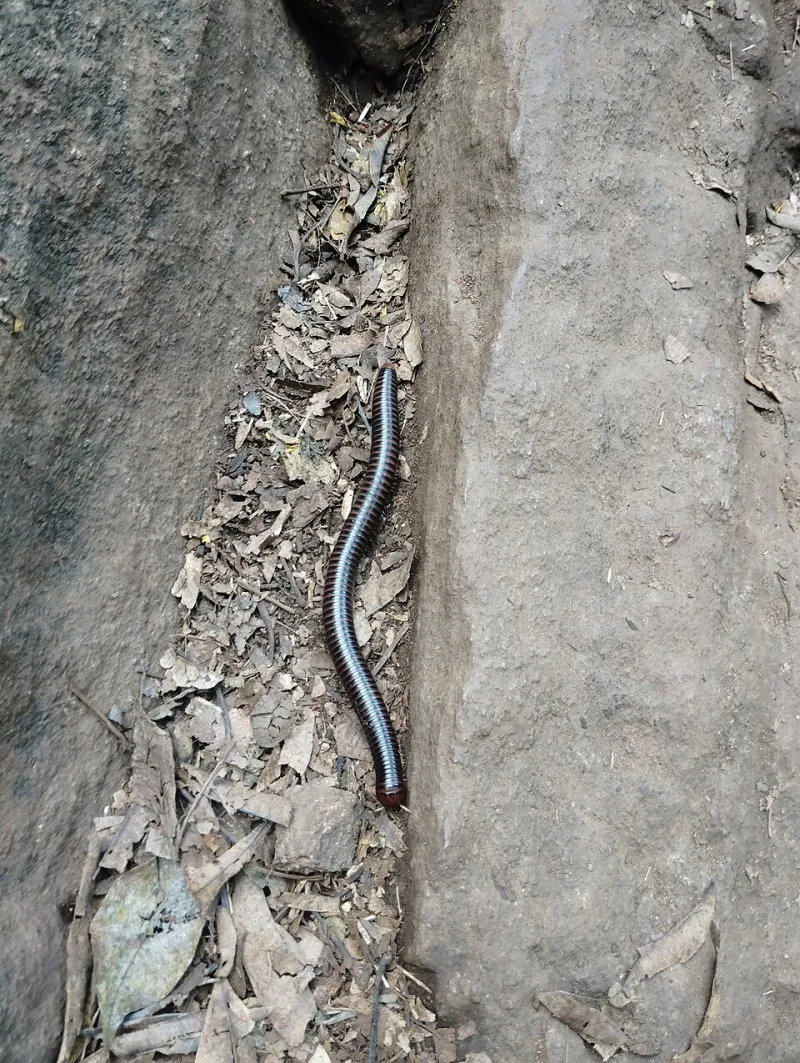
Photo: 12voltechnologies, CC BY-SA 4.0, via Wikimedia Commons
On a damp November morning, members of the Bolitho Science Club walked the school grounds with clipboards, garden twine and a bundle of small mesh bags. Their task was simple to describe and slow to answer: what happens to fallen leaves when winter takes hold? Rather than gathering litter into a single heap and watching it rot, pupils have set up a controlled decomposition trial using mesh bags and marked plots. The aim is not to produce a quick answer, but to build evidence about a process that unfolds over weeks and months.
A question worth waiting for
Leaf litter does not vanish. It is broken down, fragmenting into smaller pieces and gradually becoming part of the soil. The pupils want to know how quickly this happens in different conditions and which organisms are involved. Their central question is deliberately modest: how much mass is lost from a standard sample of leaves over the winter, and does the size of the mesh around the sample make a difference?
The club chose mesh bags because they allow air, water and small soil organisms to reach the leaves while keeping the sample together. Each bag was filled with a known mass of dried leaves collected from the same area. The bags were then placed in marked plots at the same depth and in similar shade, so that comparisons between them are as fair as the school grounds allow.
Designing a fair comparison
Fair-test thinking has been central to the project. Pupils agreed that every bag should contain the same kind of leaves, prepared in the same way. Leaves were dried gently and weighed before being sealed inside. The bags were labelled, and their positions recorded on a simple map. Some plots were covered with a light layer of loose litter to mimic natural conditions; others were left exposed. The club also set aside a small number of control bags to check how much material might be lost through handling alone.
The team is comparing bags with different mesh sizes. A finer mesh excludes larger invertebrates such as woodlice and millipedes, while a coarser mesh allows them access. This does not make one bag better than another. It creates a comparison that may help pupils work out whether the visible animals are the main agents of breakdown, or whether microscopic life is doing most of the work.
The hidden workforce
When pupils lift a bag at the end of the trial, they will not see fungi and bacteria directly. They may, however, see the evidence: leaves that have become thin, dark and brittle, or fragments coated in fine white threads. Soil invertebrates will be easier to spot. Woodlice, millipedes, springtails and earthworms all contribute to decomposition in different ways. Some shred leaves, increasing the surface area available to microbes. Others feed on the microbes themselves. Earthworms mix organic matter into the soil, changing its structure as they go.
Fungi are particularly important in autumn and winter, when fallen leaves are abundant. Their thread-like hyphae can penetrate leaf tissue and break down tough materials that many animals cannot digest alone. Pupils have been encouraged to treat these organisms with care. Any invertebrates found during checks are returned to the plot, and bags are opened briefly and gently to avoid disturbing the soil community more than necessary.
Why patience is part of the method
The club has agreed on a small number of retrieval dates rather than weekly inspections. Too much handling would disturb the plots and could turn a careful study into a series of accidental interventions. Winter is also a slow season. Cold temperatures reduce the activity of many organisms, and decomposition may appear to stall. This is not a failure. It is a result worth recording.
Pupils are keeping a simple weather log alongside the trial, noting frost, rainfall and temperature where possible. They will photograph the bags in place and record any obvious changes. When the first bags are retrieved, the leaves will be dried and weighed again. The difference in mass will give a rough measure of what has been lost. The club knows that results may be variable. Some bags may lose little; others may lose more. That variation is part of the evidence, not a reason to abandon the question.
A smaller version for home or park
Families who would like to try a smaller version of the trial can do so with a few simple materials. Use two mesh produce bags or small sections of pond netting, a kitchen scale and a handful of dried leaves from a single tree. Weigh the leaves before sealing them loosely inside the bags. Choose a shaded spot under a hedge or in a corner of a park where leaves naturally gather, and mark the place with a cane. If comparing two bags, keep everything the same except one variable, such as mesh size or whether the bag is covered with loose litter. Leave the bags undisturbed for six to eight weeks, then retrieve them carefully, dry the remaining contents and weigh again. Wash hands afterwards, avoid disturbing wildlife, and seek permission before placing anything in a public park or private garden.
The Bolitho trial will continue into the new year, with results shared through the Science Hub once the first retrieval is complete. For now, the bags sit quietly in their marked plots, doing what soil does best: taking back what the trees have let fall.